
Nut and Agriculture Waste Processing
Turn agricultural waste (rice husks, coconut shells) into clean energy. The process can handle various agricultural residues, including crop residues, rice husks, and woody biomass.
Economic and Environmental Advantages
- Waste Volume Reduction: The main advantage is the reduction in volume of the waste.
- Resource Recovery: Small-scale pyrolysis plants are typically designed to handle lower volumes of feedstock compared to larger industrial-scale plants and can offer on-site waste management, energy generation, and production of value-added products.
- Carbon Sequestration: Application of biochar to agriculture may have a significant effect on reducing global warming through the reduction of greenhouse gas emissions.
- Renewable Energy: Develop thermochemical and/or catalytic, carbon efficient biomass and waste plastic conversion processes to produce bio-oils and bio-gas containing fractions suitable for use towards advanced commercially viable bio-fuels (jet, diesel, and gasoline carbon ranges).
Process Flexibility
Feedstock flexibility allowing both woody and herbaceous biomass (like crop residues or grasses) to be converted to biochar makes pyrolysis particularly suitable for diverse agricultural waste streams.
The pyrolysis of nut and agricultural waste represents a promising circular economy approach, converting what would otherwise be disposal problems into valuable products for energy, agriculture, and industrial applications while contributing to carbon sequestration and sustainable waste management.
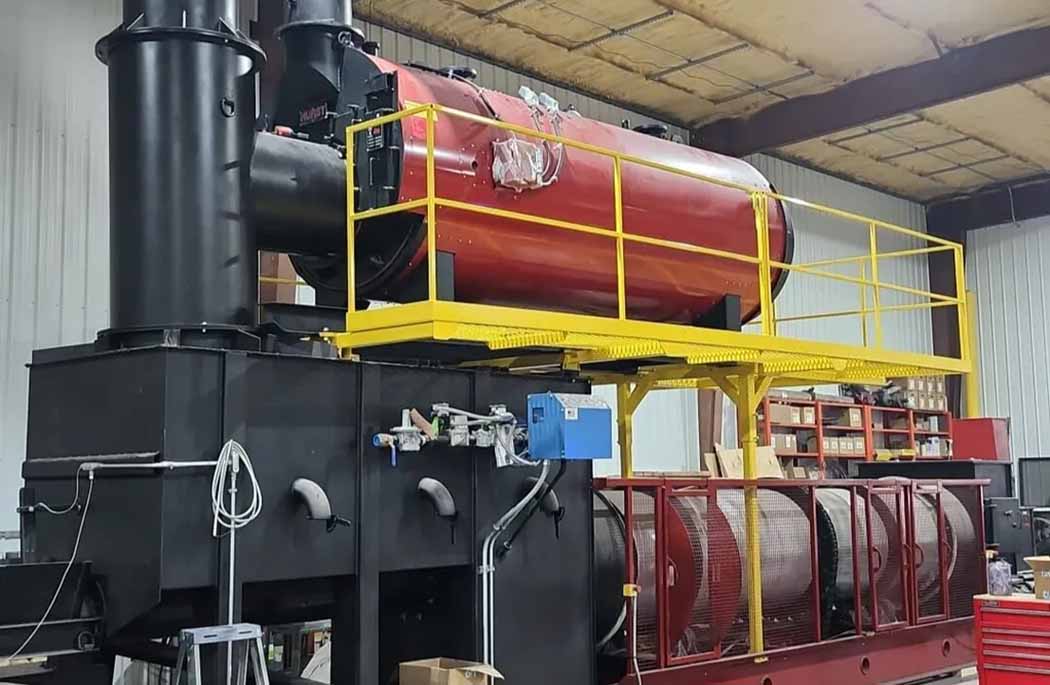
Key Product from Pyrolysis of Agricultural Waste
Biochar is mainly used in soils to increase soil aeration, reduce soil emissions of greenhouse gases, reduce nutrient leaching, reduce soil acidity, and potentially increase the water content of coarse soils. Biochar application may increase soil fertility and agricultural productivity. Recent studies on the char produced via pyrolysis have demonstrated that it is a valuable additive with multiple applications ranging from soil and water amendment, improving agricultural yield, supercapacitors, fuel cells, and in support/catalysts, sustainable chemistry, and carbon sequestration.
Our Office
900 Hamilton Avenue, Suite 100. Campbell, CA 95008, USA
Contact Us
408.409.2882
www.pathionholdings.com
Office Hours
Mon-Fri: 9am – 5pm
Sat-Sun: Closed