
Timber and Wood Waste Processing
Turn wood waste (bark, sawdust and scrap) into clean energy. The process can handle various agricultural residues, including milling residues, and woody biomass.
Sawdust Processing
Presently, sawdust is mainly used for manufacture of particle board in paper mills, although it has potential for releasing heat energy. In many cases due to lack of better ways of handling, this waste is commonly disposed into the environment without any treatment. The sawdust can be used as a feedstock to produce bioenergy and chemicals by using the pyrolysis technique.
This study is expected to suggest the beneficial management solution for the sawdust biomass resources, with the potential for its use at commercial and industrial scales in sustainable energy production.
Furniture Industry Applications
The several furniture-making phases, from cutting to processing to polishing, produce a significant volume of sawdust of differing grades. The extraction and disposal of such waste in developing countries with no established or sustainable methods is an increasing problem, frequently posing environmental challenges.
Contaminated Wood Processing
Making biochar from lightly contaminated waste timber (WT) is a promising waste handling option as it results in the potential valorization of such residues into e.g. sorbents for contaminant stabilization.
Environmental and Economic Advantages:
Superior Performance of Woody Biomass
Woody biomass showed higher biochar and energy yields than non-woody biomass. This makes timber and wood waste particularly attractive feedstocks for pyrolysis operations.
Resource Recovery and Value Addition
These smaller plants can offer several benefits, including on-site waste management, energy generation, and the production of value-added products. Small-scale pyrolysis plants are typically designed to handle lower volumes of feedstock compared to larger industrial-scale plants.
Process Efficiency and Sustainability
Sustainable Waste Management
Pyrolysis offers a sustainable and efficient approach to resource utilization and waste management, transforming organic materials into valuable products.
Forestry Waste Applications
Can portable pyrolysis units make biomass utilization affordable while using bio-char to enhance soil productivity and sequester carbon? This approach is particularly relevant for forest management and logging operations.
Greenhouse Gas Benefits
Furthermore, it produces significant greenhouse gas emissions by releasing carbon monoxide and carbon dioxide, which are the principal greenhouse gases contributing to global warming. Pyrolysis helps mitigate these emissions by converting waste wood into stable carbon products rather than allowing decomposition or burning.
The pyrolysis of timber and wood waste represents an excellent opportunity for the forestry and wood processing industries to transform their waste streams into valuable products. This approach addresses environmental concerns while creating economic value through energy production, soil amendment products, and chemical feedstocks, making it particularly attractive for sawmills, furniture manufacturers, and forest management operations seeking sustainable waste solutions.
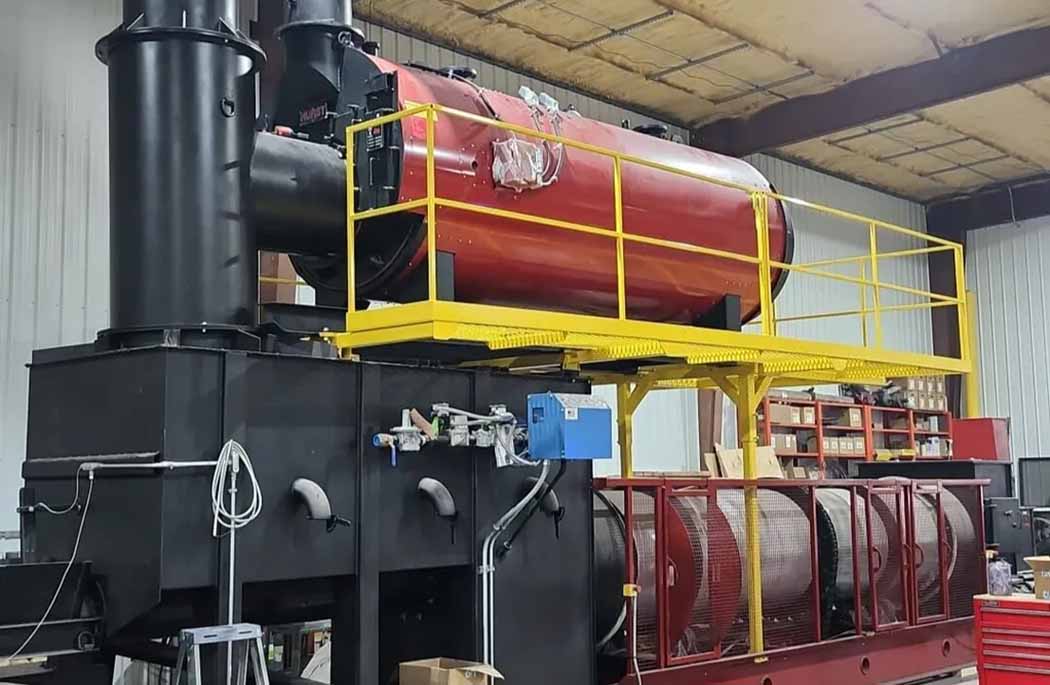
Key Product from Pyrolysis of Agricultural Waste
Biochar is mainly used in soils to increase soil aeration, reduce soil emissions of greenhouse gases, reduce nutrient leaching, reduce soil acidity, and potentially increase the water content of coarse soils. Biochar application may increase soil fertility and agricultural productivity. Recent studies on the char produced via pyrolysis have demonstrated that it is a valuable additive with multiple applications ranging from soil and water amendment, improving agricultural yield, supercapacitors, fuel cells, and in support/catalysts, sustainable chemistry, and carbon sequestration.
Our Office
900 Hamilton Avenue, Suite 100. Campbell, CA 95008, USA
Contact Us
408.409.2882
www.pathionholdings.com
Office Hours
Mon-Fri: 9am – 5pm
Sat-Sun: Closed